Technology is important in Construction Projects with limited budget: Case Study of African Roofing
This post breaks down how Kenyan construction teams using Mabati roofing can take control of costs that extend well beyond the price of the sheets themselves. You will see how structured cost analysis and the right project planning technology protect budgets on limited-resource builds. The case study shows what that looks like when applied to a real African roofing project.
See everything AI Project Planner can do for you.
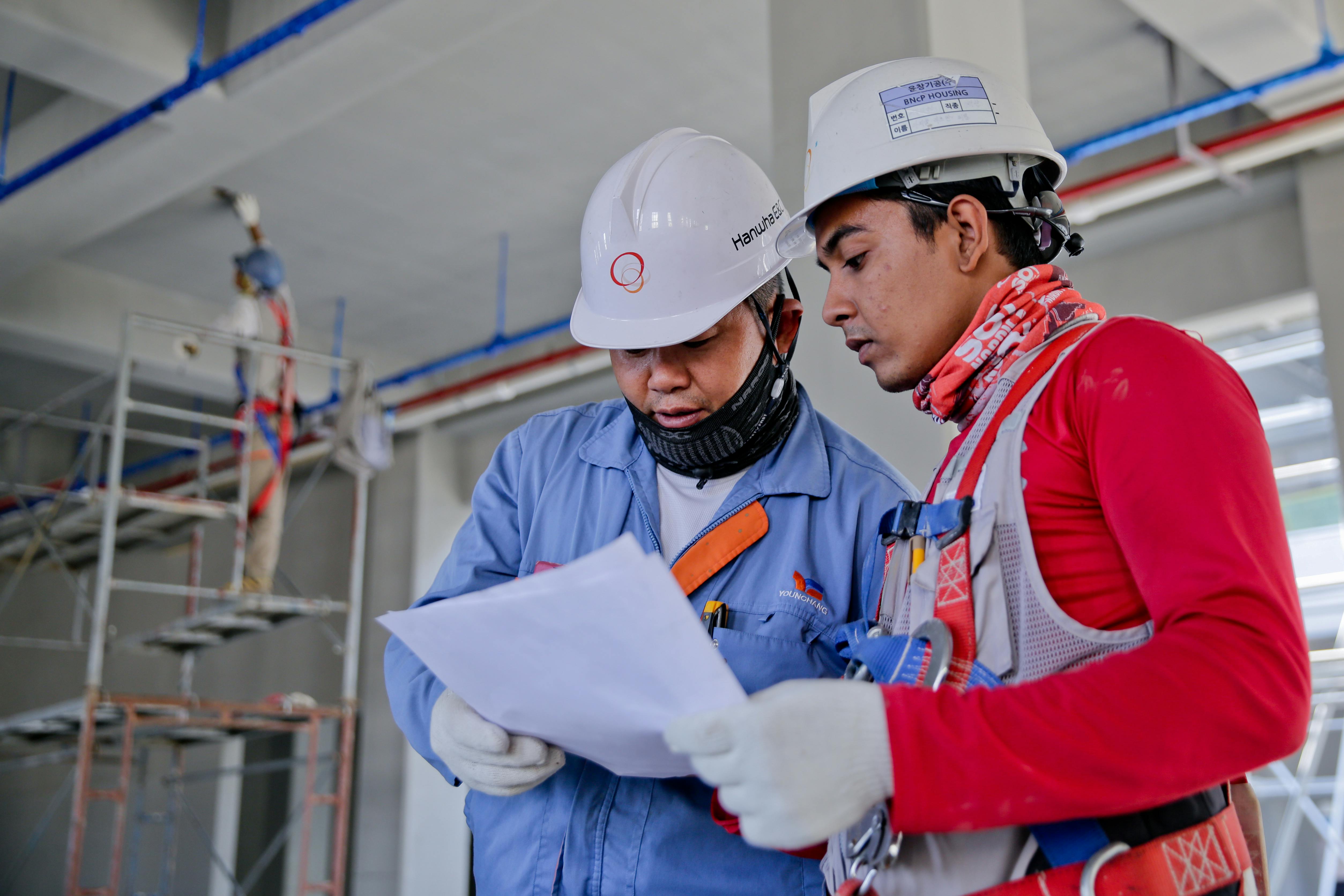
Construction projects in Kenya face unique financial pressures, particularly when roofing materials represent a major share of the total budget. AI for construction project management is reshaping how teams in the region analyze, compare, and control roofing costs, giving project managers a structural advantage that manual methods simply cannot match. This is especially true for projects using Mabati roofing, where costs extend well beyond the purchase price of the sheets themselves. A structured approach to cost management, supported by a capable project planner, can mean the difference between a financially viable project and one that stalls mid-construction. The African roofing market is shaped by global steel prices, local demand cycles, and regulatory requirements that shift frequently. Getting ahead of those variables requires both local knowledge and the right technology tools.
This article is part of our complete guide: Project Cost Management.
Breaking Down the Total Cost of Mabati Roofing
Accurately budgeting for Mabati roofing requires a detailed analysis of every cost component, from procurement through final installation. The purchase price of Mabati sheets varies depending on the grade and type of steel used, and that figure alone can mislead a project manager who treats it as the total cost. Transportation from supplier to site, labor for installation, scaffolding, safety equipment, and compliance fees all add meaningfully to the final number. Permits and inspections required under Kenyan building codes introduce further line items that must be budgeted in advance to avoid project delays. Using a structured project planner to map each component ensures that nothing is overlooked and that the budget reflects reality from the outset. Transparency at this level also builds stakeholder confidence and keeps decision-makers aligned throughout the project lifecycle.
Long-term maintenance costs are equally important when evaluating the true cost of a roofing system. A material with a lower upfront price may require more frequent repairs or earlier replacement, ultimately costing more over the life of the building. Project managers who account for lifecycle costs rather than just initial expenditure make more defensible budget recommendations. Tracking expenditures in real-time against these projections is where modern software tools, including AI for construction project management, add measurable value. Automated cost monitoring flags variances early, giving teams time to course-correct before overruns compound. This kind of continuous financial oversight is difficult to maintain manually across a full construction schedule.
Establishing a shared cost framework across the entire project team reduces the risk of budget assumptions drifting between departments. When procurement, site management, and finance teams all reference the same live figures, discrepancies surface quickly rather than accumulating silently. Regular reconciliation meetings anchored to a central cost model keep all parties accountable to the agreed baseline. This discipline is especially important when external factors, such as fuel price changes, affect transportation costs mid-project. Building review checkpoints into the project schedule ensures that the budget document remains a living reference rather than a static snapshot. Teams that treat cost tracking as a continuous process rather than a periodic task consistently achieve tighter financial outcomes.
Roman Tile Mabati: Design, Durability, and Cost
Roman Tile Mabati draws its aesthetic from traditional Roman architecture, giving buildings a distinctive profile that increases curb appeal and marketability. Beyond appearance, the design serves functional purposes: the profile supports efficient water drainage and contributes to temperature regulation inside the structure. These performance characteristics make it a practical choice for both residential and commercial construction projects across Kenya. The material is manufactured from high-quality steel that resists corrosion and withstands the harsh weather conditions common in many parts of the country. For project managers evaluating roofing options, Roman Tile Mabati represents a combination of visual value and long-term structural reliability. Its popularity among builders reflects that balance between form and function.
Durability is a central factor in the cost-effectiveness calculation for any roofing material. Roman Tile Mabati's resistance to corrosion and weather damage means fewer repair cycles and a longer service life compared to lower-grade alternatives. Fewer repairs translate directly into reduced maintenance budgets over the lifespan of the building, which strengthens the financial case for the higher initial investment. Project managers responsible for the long-term financial health of a project should weigh this lifecycle advantage carefully when comparing options. The aesthetic premium that Roman Tile Mabati provides can also increase a property's resale value, adding a financial return that offsets some of the upfront cost. When all these factors are modeled together, the total cost picture looks substantially different from a simple price-per-sheet comparison.
Smart Builders Mabati Pricing Trends in Kenya
Current pricing for Smart Builders Mabati products reflects a range of market forces that project managers need to monitor continuously. Global steel prices fluctuate based on international supply chains, energy costs, and trade policy, all of which feed through to local Kenyan prices with varying lag times. Local demand from the construction sector, seasonal project cycles, and government infrastructure spending also push prices up or down at different points in the year. Regulatory changes, including import duties or local content requirements, can create sudden pricing shifts that catch unprepared project managers off guard. Conducting regular market surveys and comparing supplier quotes is essential practice for teams managing roofing budgets. Building those survey cycles into the project schedule ensures that pricing assumptions are refreshed before they become dangerously stale.
Staying informed about pricing trends is not just about securing the lowest price at a single point in time. It enables project managers to time procurement decisions strategically, potentially locking in favorable rates before anticipated price increases. AI for construction project management provides a structural advantage here by tracking cost data and flagging market-driven variances as they emerge. Rather than relying on periodic manual reviews, continuous monitoring surfaces relevant changes as they happen. This is particularly valuable on longer construction timelines where the gap between initial budget and current market conditions can grow significantly. Teams that integrate this kind of intelligence into their workflow are better positioned to protect project margins.
Supplier relationship management is a complementary strategy that strengthens the impact of good market intelligence. Project managers who maintain ongoing dialogue with multiple suppliers are better placed to negotiate favorable terms when prices begin to rise. Diversifying the supplier base also reduces exposure to single-source disruptions caused by logistics failures or inventory shortages. Documenting supplier performance across past projects creates a reference library that supports faster and more confident procurement decisions on future work. Combining that relationship capital with real-time pricing data produces a procurement strategy that is both responsive and well-grounded. Teams that invest in both dimensions consistently achieve better cost outcomes than those relying on price data alone.
Comparing Roofing Materials: Cost and Performance
Roman Tile Mabati competes in a market that includes concrete tiles, clay tiles, thatch, and standard corrugated iron sheets, each with a distinct cost and performance profile. Concrete tiles may offer comparable durability but often come with higher transportation costs due to weight, while thatch carries lower material costs but higher maintenance requirements. Standard corrugated Mabati is typically the cheapest option upfront but lacks the aesthetic differentiation and longevity of Roman Tile products. For project managers, the right comparison framework weighs initial cost, expected maintenance frequency, installation complexity, and end-use performance requirements together. No single roofing material is universally optimal, because the best choice depends on the specific project's budget, location, and purpose. A disciplined comparison process prevents cost-driven decisions that create more expensive problems later.
When comparing materials, it is also important to factor in the skill requirements for installation. Some premium roofing products require specialist labor, which adds to installation cost and extends the procurement timeline for finding qualified contractors. Roman Tile Mabati installation follows established industry practice in Kenya, keeping labor sourcing relatively straightforward for experienced project managers. The availability of local contractors familiar with the material reduces the risk of installation errors that can void warranties or create water ingress problems. A thorough cost comparison should capture these labor and risk dimensions alongside the raw material price. Project managers who complete this full analysis make better recommendations and avoid unpleasant surprises during construction.
How AI for Construction Project Management Improves Roofing Outcomes
Modern project management software changes how construction teams plan, monitor, and report on roofing projects. A well-configured project planner enables teams to build detailed cost models that include every component from permits to punch-list inspections, with real-time tracking against actual expenditure. Workflow bottleneck analysis helps identify which procurement or installation steps are creating delays, allowing managers to intervene before those delays cascade across the schedule. Automated progress reports replace hours of manual data collection and formatting, freeing project managers to focus on decisions rather than documentation. These capabilities are especially valuable on budget-constrained projects where administrative overhead competes directly with productive work. The ability to generate professional, client-ready cost breakdowns and status reports on demand strengthens stakeholder communication throughout the project.
AI for construction project management goes further by continuously analyzing project patterns to surface risks and optimization opportunities that manual review would miss. For roofing projects in Kenya, this might mean detecting that a specific supplier's delivery windows are consistently causing downstream labor scheduling conflicts, or that permit approval timelines are compressing the installation window. Identifying these patterns early allows project managers to restructure procurement sequences or adjust labor contracts before the impact is felt on the critical path. The software generates complete deliverables, including requirements documents and cost breakdowns, rather than simply flagging issues for the team to investigate manually. This distinction matters on resource-constrained projects where the team does not have capacity to chase every data point themselves. Technology that produces real output, not just alerts, multiplies the effectiveness of a lean project management team.
Managing Financial Risk on Limited-Budget Construction Projects
Budget-constrained construction projects in Kenya require especially disciplined financial management because cost overruns have immediate consequences and limited recovery options. Establishing a clear cost baseline at project initiation, with each Mabati roofing component individually priced and documented, creates the reference point against which all subsequent spending is measured. Variance reporting against that baseline should happen regularly, not just at milestone reviews, so that trends are visible before they become crises. Project managers should also build contingency allowances for the cost categories most exposed to market volatility, particularly steel-based materials and fuel-dependent transportation costs. Supplier relationships matter as well, because trusted suppliers are more likely to hold agreed prices and prioritize delivery during periods of market tightness. A combination of solid planning discipline and strong supplier partnerships forms the foundation of financial risk management on any roofing project.
Technology reinforces these risk management practices by making financial data more accessible and more actionable across the project team. When cost information is centralized, current, and automatically formatted into reports, project managers spend less time assembling data and more time analyzing it. Stakeholders who receive regular, well-structured financial updates are better prepared to make timely decisions if circumstances require a budget adjustment. The construction market in Kenya will continue to be influenced by global commodity prices and local regulatory shifts that no project manager can fully control. What can be controlled is the quality of information available to the team and the speed at which that information drives decisions. Projects that apply AI for construction project management consistently perform better against time and budget targets, even when external conditions are difficult.
See everything AI Project Planner can do for you.
Try AI Project Planner →